Popular 卯慰 TV Shows - Page 39

Terra Mãe
1998
These Women
2005
These Women
2005
star 8The plot takes place in 1880, in the city of Rio de Janeiro, following the lives of three strong and determined women. Aurélia, Maria da Glória and Mila are great friends who attend etiquette classes together, but life doesn't take long to put them in completely different directions.Ciranda de Pedra
2008
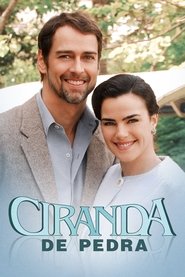
Ciranda de Pedra
2008
star 7.3In São Paulo, in 1958, Natércio, Laura, and Daniel form a love triangle. Laura is the mother of Virgínia, Daniel's legitimate daughter, but raised as Natércio's heir.Ralla Weralata Adarei
2021
Set against the backdrop of a coastal village, this gripping romance drama follows Sandeep, a young fisherman dreaming of a better life, and Nethmi, a wealthy girl he rescues from a near-fatal drowning. As a deep bond blossoms between them, they must fight against steep class divides, severe family opposition, and the harsh realities of the sea to protect their love. Inspired by the Telugu movie "Uppena".La revancha
1989
Amanhecer
2002
Italian Bride
2014
Italian Bride
2014
star 6.2Muchacha italiana viene a casarse is a 1971 Mexican telenovela by Televisa produced by Ernesto Alonso and directed by Alfredo Saldaña, starring Angélica María and Ricardo Blume. Writing credits belong to Delia González Marquez, Fernanda Villeli, Marissa Garrido, Miguel Sabido and Carlos Lozano Dana The series featured two theme songs: "A dónde va nuestro amor" and "Lo que sabemos del amor". Both songs were written by Eduardo Magallanes and performed by Angélica María.The Slave Mother
2016
The Slave Mother
2016
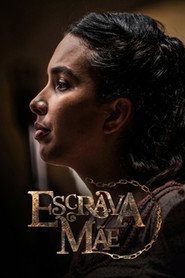
star 8.4The story begins in 1789 in Congo, in Africa, where a tribe celebrates the marriage of Luena and Kamau. The natives, trapped and sold as slaves.Tilim
1970
The Polygamist
2026
The Polygamist
2026
star 8.8Social media darling, Joyce, is the picture of marital perfection — until her cheating husband's conquests ignite a scandalous emotional meltdown.Telhados de Vidro
1993
서울뚝배기
1990
서울뚝배기
1990
O Campeão
1996
O Campeão
1996
star 9In 1979, Maria Isabel Caldeira had to leave Brazil because her husband, Humberto, was involved in a political kidnapping. Because of this, she left behind her infant son, Lucas. Upon returning fifteen years later, her greatest struggle is the search for her lost son. Maria Isabel returns on the same flight as Renato Alcântara, a European football star returning to Brazil to coach Pindorama Futebol Clube. Around this time, Felipe Caldeira, Maria Isabel's father, is vying for the club's presidency against the corrupt Alberto Drummond. The behind-the-scenes world of football serves as a backdrop for a plot involving murder, child exploitation, a homosexual couple seeking acceptance, a submissive woman left in a clinic by her husband, who is having an affair with the housekeeper, and other stories.Salomé
1991
Salomé
1991
star 7The central character of the story is Salomé, a woman ahead of her time. Bold and rebellious, the young woman scandalizes Parisian society by performing a veiled dance in which she is semi-nude. The news reaches Brazil, and her mother, Santa, and her stepfather, Antunes, worried about the girl's reputation, decide that she must leave Paris. Antunes travels to fetch Salomé, and she only agrees to return to her country of origin if her inseparable friends, Berta and Ruggero, go with her. Antunes agrees, and they all leave together. In Brazil, Salomé goes to live on the Pindorama farm in São Paulo, where her mother awaits her. There she meets Duda, with whom she falls in love. Duda owned the Pindorama farm, but his father, Colonel Venâncio, in debt, was forced to sell the property to Antunes. The pain of losing the farm led Venâncio to commit suicide. Some time later, Duda, unemployed, returned to the farm and began a secret romance with Santa.The Three Sides of Ana
2016
star 7.1Over a road trip, triplets Ana Laura, Ana Leticia, and Ana Lucía, along with their parents, suffer a dramatic accident crashing by the side of a river. The consequences of this event are catastrophic: Both parents die, Ana Laura loses one leg, and Ana Lucía, unconscious, is dragged by the river’s flow. Only Ana Leticia, who actually caused the accident, emerges unscathed. Soledad, a woman who was seriously hurt after her daughter’s death, helps Ana Lucía, whom she finds agonizing. Although Soledad discovers who the girl is, she takes advantage of her memory loss regarding the accident and her family and decides to keep her, making her believe she is her mother. Despite everyone declares Ana Lucía is death, Ernestina, the triplets' grandmother, and Ramiro, their uncle, don’t give up and do everything they can to find Ana Lucía. But years go by, the same as their wishfulAsk God For Forgiveness... Not Me
2015
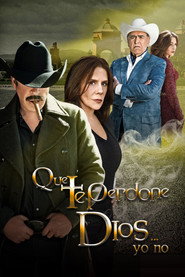
star 7The story of Renata Flores del Angel, a young woman from a wealthy family who falls for Pablo Ramos, the foreman of her father's estate.Los secretos de Papá
2004